Home › Tuckpointing and Repointing
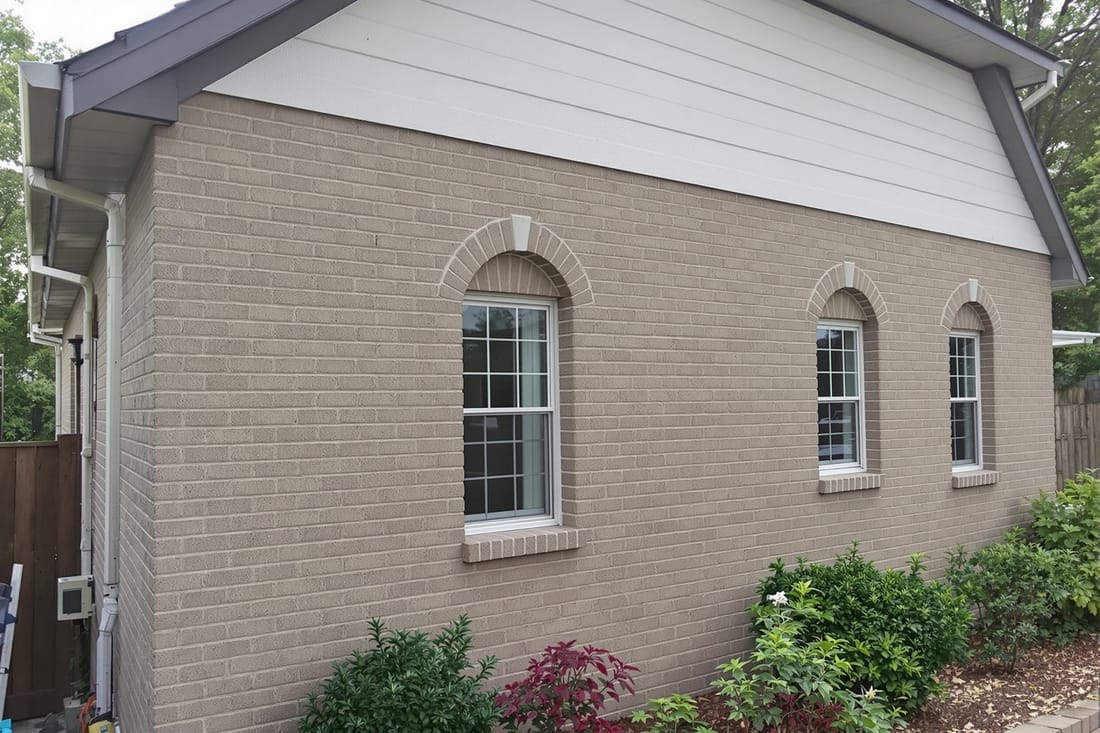
We offer expert tuckpointing in Boston, MA to repair deteriorated mortar joints in brick walls and chimneys. Our masons carefully remove loose mortar and pack in fresh, color matched joints. Proper repointing improves appearance and prevents water intrusion. Schedule an assessment to extend the life of your brick masonry.
Noble Masonry Boston provides professional tuckpointing throughout Boston, MA, Massachusetts and the surrounding area. Our licensed, insured crew delivers safe, clean, on-time work with a free estimate before anything begins. Call (617) 379-7421 or request your free quote.
Tuckpointing and Repointing for Boston Brickwork
Brick holds up far more of Boston than most people realize. From South End rowhouses to multi‑family buildings in Dorchester, the thin mortar joints between the bricks are what keep water out and walls stable. Tuckpointing and repointing are the specialized repairs that restore those joints when they start to fail. At Noble Masonry Boston, we focus on matching historic looks while improving durability for New England weather.
Tuckpointing usually refers to a more detailed process where we create the illusion of very fine joints by using two different mortar colors. Repointing is the more common structural repair, where deteriorated mortar is removed and replaced. In practice, Boston homeowners often need a combination of both, especially on older facades where appearance and structural integrity both matter.
If you see crumbling joints, gaps between bricks, white powdery staining, or water getting into basements or interior walls, it is time to talk about tuckpointing or repointing. Addressing these issues early is much more affordable than waiting until bricks loosen, walls bow, or interior finishes are damaged.
How We Actually Perform Tuckpointing and Repointing
Noble Masonry Boston follows a detailed, step by step process so your brickwork is repaired correctly the first time.
We start with a close-up assessment of your walls. This includes tapping joints to identify hollow or loose mortar, checking for movement or bulging, and documenting problem areas with photos. On older Boston brick, especially 19th and early 20th century buildings, we test the existing mortar to determine if it is a soft lime-based mix or a harder Portland cement mix. This is important because using a mortar that is too hard can damage old bricks.
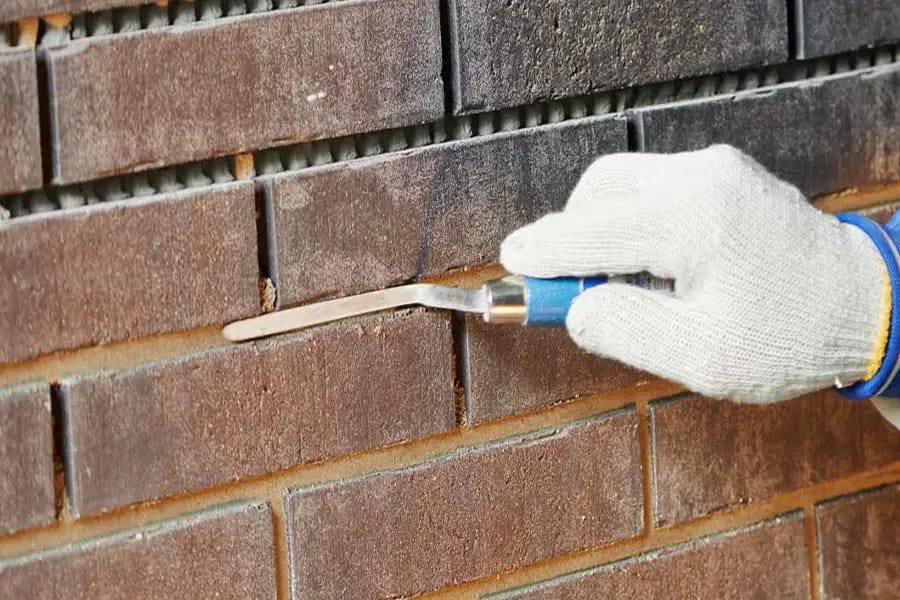
Next, we remove failing mortar. We use small grinders with vacuum attachments or hand chisels, depending on the age and condition of the brick, to clean out the joints to an appropriate depth, typically 2 to 3 times the width of the joint or until solid, sound mortar is reached. We avoid power tools where they could chip the brick edges, which is a common mistake with rushed repair work.
The joints are then brushed and rinsed to remove dust so the new mortar can bond. We carefully mix mortar to match the color, texture, and hardness of the original. For older brownstone and brick in neighborhoods like Beacon Hill or Jamaica Plain, this often means custom blending local sand and pigments to get an accurate match.
We pack the fresh mortar into the joints in multiple passes, compacting firmly to eliminate voids. Joints are tooled to the correct profile (often concave or flush for Boston exteriors) to shed water properly. For true tuckpointing finishes, we may use a base mortar that matches the brick, then add a thin, contrasting mortar line in the center of the joint once the base has firmed up. This creates the classic fine-line look seen on many historic facades.
Materials and Design Options for Boston Brick
The right mortar choice is critical to a long-lasting tuckpointing or repointing job. Noble Masonry Boston typically uses three broad categories of mortar, chosen after we evaluate your specific brick and building age.
For pre-World War II brickwork and most historic rowhouses, we usually recommend a lime-rich mortar that is softer and more flexible. This allows the joints to take the stress of movement and freeze-thaw cycles rather than the bricks themselves. For mid-century and newer construction, a balanced Portland-lime mortar may be appropriate, as these bricks are usually stronger and better able to work with a harder mortar.
Color and joint style are also key design decisions. We can match existing mortar color so repairs blend in, or we can slightly adjust color to even out a patchy facade. Common joint profiles in Boston include concave, V-joint, and flush. Each influences how water sheds from the wall and how the building looks from the street. For visible front facades, especially in association-controlled neighborhoods, we pay close attention to existing patterns so repairs look original rather than patched.
If you are restoring a facade and considering full tuckpointing, we will show you sample panels that demonstrate the effect of using a brick-colored base mortar with a fine contrasting line. This finish can dramatically sharpen the look of older brick and is often used on storefronts, decorative gables, and street-facing elevations where appearance matters most.
What Drives Cost for Tuckpointing in Boston
Tuckpointing and repointing costs vary because no two Boston buildings weather the same way. At Noble Masonry Boston, we walk you through the specific factors that affect your quote so you understand where your money is going.
Access is a major cost driver. A low, one-story rear wall reachable by ladder costs less than a four-story front facade that requires full scaffolding, especially in tight streets like those found in the North End or South Boston. Protected sidewalks, permits, and coordination with neighbors all add time and materials.
The amount and depth of failed mortar also affect price. Spot repointing of only the worst joints is less expensive, but if more than about 25 to 30 percent of the wall is failing, full-area repointing is often the better investment. It reduces labor spent “hunting and pecking” and gives you a longer service life overall.
Brick condition matters too. If there are many spalled or cracked bricks that must be removed and replaced, this adds to both material and labor costs. Similarly, if previous repairs were done with very hard or poorly matched mortar, we may need more careful removal methods to avoid further damage.
Finally, schedule and season can influence pricing. Summer and early fall tend to book up quickly, especially for large facades, while late fall and early spring may offer more flexible scheduling if the weather cooperates.
Timing Work Around New England Weather
Boston’s freeze-thaw cycles are tough on masonry, and they also influence the best time to schedule tuckpointing and repointing work. Mortar needs moderate temperatures and controlled moisture to cure properly, or the joints may crack or weaken.
Ideal conditions are typically from late April through early November, when nighttime temperatures reliably stay above freezing. In this window, we can control curing with light misting and shading if necessary. On hot summer days, especially on south-facing walls in neighborhoods like Back Bay or Roxbury, we may start earlier and cover the work area to prevent the mortar from drying too quickly.
Cold-weather work is possible, but it requires special measures, such as heated enclosures and cold-weather additives, which add cost and complexity. For that reason, we usually advise Boston homeowners to plan ahead and schedule major tuckpointing projects outside the coldest months. Emergency repairs for active leaks can be handled year-round, but larger aesthetic projects are best targeted for spring through fall.
If your building has chronic water issues during winter, we can often perform a fall inspection and plan a phased repair schedule. Temporary sealing or priority repointing in the worst areas before the deep cold hits can prevent further damage, with remaining work completed when conditions improve.
Common Masonry Problems We Solve in Boston
Noble Masonry Boston frequently addresses issues that are specific to local housing stock and climate. Understanding these problems helps you know what to watch for and when to call in help.
Water penetration through mortar joints is the most common concern. In older basements and garden units, deteriorated joints can allow groundwater and surface runoff to seep in, especially during heavy rains or snow melt. Repointing these joints, combined with proper grading and drainage, often solves the problem without resorting to more invasive interior waterproofing.
Efflorescence, the white powdery deposits that appear on brick surfaces, is another frequent complaint. While mostly cosmetic, efflorescence signals water movement through the wall. Our approach is to identify and address the source of moisture first, then clean surfaces and repoint where joints are drawing in too much water.
We also see a lot of damage from past improper repairs. Hard, mismatched mortars trap moisture in older, softer bricks, leading to flaking faces and cracked corners. In these cases, we carefully remove the incompatible mortar, replace damaged bricks when necessary, and use a more appropriate mortar that allows the wall to breathe.
On multi-family and condo buildings, we often coordinate with property managers and condo boards to create a phased repointing plan. This helps spread costs over time while still addressing the most urgent areas, such as parapet walls, chimneys, and heavily weathered elevations.
Why Boston Owners Choose Noble Masonry Boston
Choosing the right contractor for tuckpointing and repointing means looking beyond price to experience, matching, and respect for your property and neighborhood. Noble Masonry Boston is locally based, and our crews work almost exclusively on Boston and nearby communities, so we are familiar with the specific types of brick and mortar used here and with local building expectations.
We provide detailed proposals that clearly outline the areas to be repointed, the type of mortar we will use, how we will access the work, and how we will protect landscaping, windows, and public walkways. For historic or street-facing projects, we can prepare small test panels so you can see color and joint finish before the full job proceeds.
Communication is central to how we work. Whether we are dealing with an individual homeowner or a condo association, we keep you updated on progress, findings behind the old mortar, and any recommended adjustments. Our goal is to leave you with brickwork that not only looks right for your building but also performs well through many more Boston winters.
If you are noticing cracking joints, water staining, loose bricks, or simply aging mortar that no longer matches the rest of the wall, Noble Masonry Boston can inspect, explain your options, and provide a clear plan for effective tuckpointing or repointing tailored to your property.