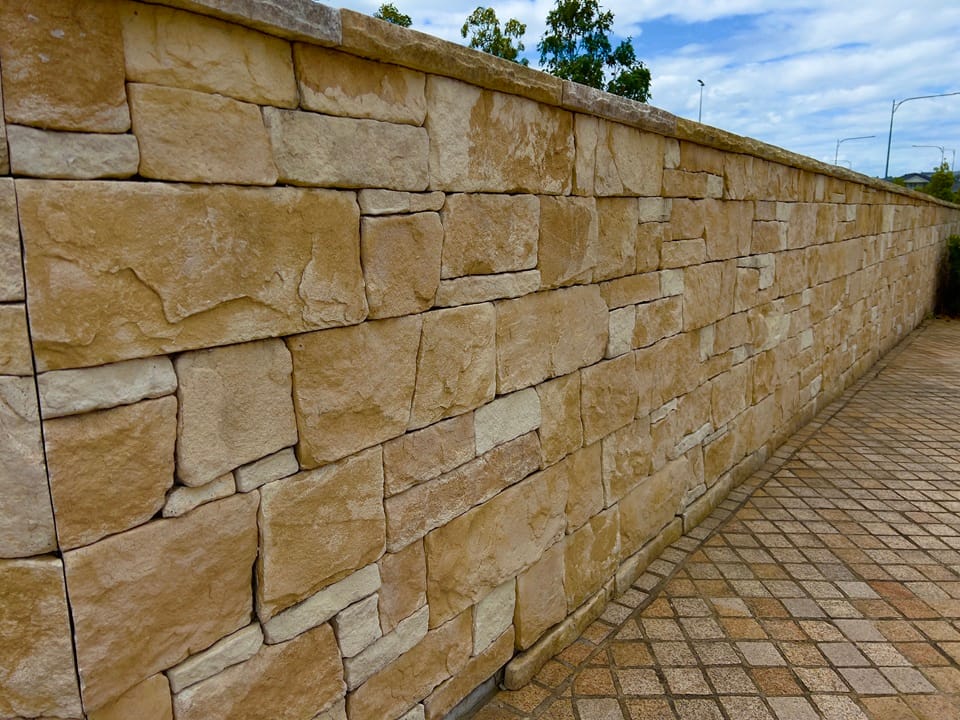
We provide professional stone masonry for Boston, MA homeowners who want durable, natural stone features. Our masons build retaining walls, steps, veneers, and outdoor accents that enhance curb appeal. We work with fieldstone, bluestone, and other natural materials for lasting performance. Reach out today to plan your custom stone masonry project.
Noble Masonry Boston provides professional stone masonry throughout Boston, MA, Massachusetts and the surrounding area. Our licensed, insured crew delivers safe, clean, on-time work with a free estimate before anything begins. Call (617) 379-7421 or request your free quote.
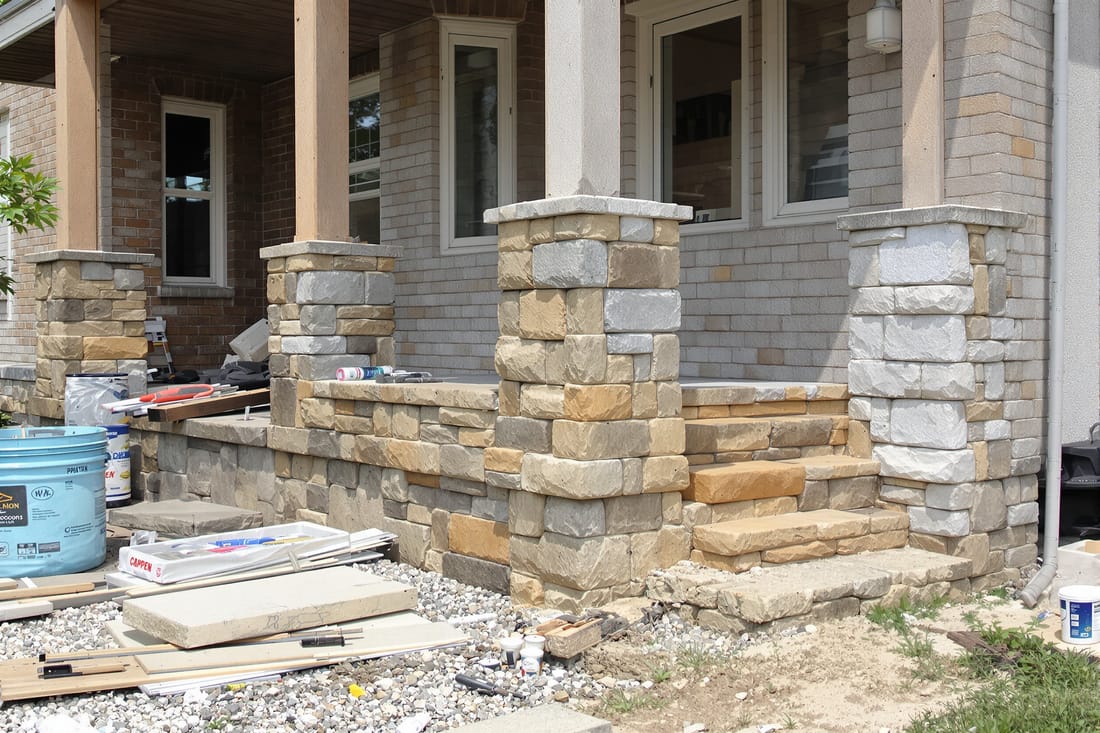
Stone Masonry in Boston, MA with a Neighborhood Focus
Stone masonry in Boston is different from working in a new suburban development. Buildings are older, lots are tight, and winters are harsh. At Noble Masonry Boston, we plan each stone project around these local realities so your work holds up in our freeze and thaw cycles and still respects the character of your street.
When you call us for stone masonry, we start with a site visit, not a guess over the phone. We look at existing foundations, nearby retaining walls, drainage patterns, and how the stone will interact with your stairs, walkways, or siding. In Boston, many homes have hidden issues like loose rubble foundations, shallow footings, or patched concrete that affect how new stonework should be tied in.
Our team is used to working in narrow driveways, shared walkways, and small backyards that are common across Boston neighborhoods like Dorchester, Roslindale, and East Boston. We schedule deliveries around street cleaning days and parking restrictions, and we keep your neighbors informed so material deliveries and cutting are respectful of the block.
Stone Masonry Services We Offer in Boston
Noble Masonry Boston handles both structural and decorative stone masonry for residential and light commercial properties. Typical projects include:
• Stone steps and staircases to replace crumbling concrete or brick front stoops.
• Retaining walls for sloped yards in areas like Jamaica Plain and West Roxbury, built to manage both soil pressure and winter frost heave.
• Stone veneer over existing concrete foundations or block walls, to improve curb appeal while protecting the structure from moisture.
• Rebuilding or repointing stone foundations in older Boston homes, especially triple-deckers and pre-war single families.
• Stone walkways and patios that tie into existing brick, granite, or bluestone elements.
For each type of work, we check how your existing structure was built. For example, older Boston foundations often use fieldstone and lime mortar. We adjust mortar type, cleaning methods, and how we pin or tie new stone so we do not damage softer historic materials while still meeting current structural expectations.
How We Actually Build Your Stone Masonry Project
Customers often ask what is happening step by step once the work starts. Our typical stone masonry process in Boston looks like this:
1. Assessment and layout: We measure, check grades with a level, and mark heights with string lines that take into account existing steps, doors, and basement windows. In Boston, small miscalculations can create issues with snow clearance or door swing over new stone landings.
2. Excavation and base preparation: For walls and steps we dig down to a depth appropriate for local frost (usually 4 feet for structural footings, shallower for small garden walls). We compact gravel in layers to create a stable base and establish drainage away from your foundation.
3. Footings or base course: For heavier walls or steps we pour concrete footings reinforced with rebar. For dry-laid garden walls we set and level a thick base course of stone or compacted gravel so the first row is perfectly set. This first course is critical in Boston where frost heave can shift poorly supported work.
4. Stone selection and setting: We sort stones by size and thickness, then start placing the largest pieces at corners and load points. For mortared work we butter stones with mortar and tap them into place with a hammer and mallet, checking level and plumb repeatedly. For dry-laid work we use smaller stones to lock larger ones, creating a solid interlocking structure.
5. Joints and finish: Joints are tooled based on your preference (flush, slightly recessed, or textured). In Boston we usually recommend a slightly recessed joint on exterior work, which sheds water better and makes future repointing easier.
6. Clean up and cure: We carefully clean mortar smears before they harden, then let the work cure. During colder months we may cover fresh masonry with insulated blankets or use cold weather additives to ensure proper curing in Boston temperatures.
Stone Choices for Boston Homes and How We Help You Decide
Stone type affects both the look and lifespan of your masonry. Noble Masonry Boston walks you through options that make sense for our climate and your specific property.
Popular choices include:
• Local or regional granite: Common around Boston, very durable, and stays attractive in road salt and snow. Great for steps, retaining walls, and curb edges.
• Bluestone: Often used in patios and walkways. It has a refined look, but thickness and base preparation must be correct so it does not crack during freeze and thaw.
• Fieldstone: Rounded or irregular stone that gives a traditional New England look. Works well for garden walls, veneer, and historic-style foundations.
• Manufactured stone veneer: Lighter and usually less expensive to install than full-bed stone. Good for facing concrete foundations or interior accent walls, but needs careful waterproofing outdoors.
We help you balance cost with performance. For instance, a full-depth granite step system costs more upfront than a thin stone veneer over concrete, but granite will often outlast concrete and hold up better to winter deicing salts used on Boston sidewalks. We bring physical samples when possible, and we can point out existing installations around the city so you can see how different stones age in real conditions.
What Drives Stone Masonry Cost in Boston
Clear pricing starts with an honest explanation of what affects cost. For Boston stone masonry, main factors include:
• Access: Tight alleys, backyard-only access, or fifth-floor walkups add labor time for moving stone and materials. If we need to hand-carry everything through a side gate in South Boston, pricing will reflect that.
• Base and foundation work: Replacing or reinforcing old footings, or digging deeper to reach stable soil, can add significant cost but prevents future movement and cracking.
• Stone type and thickness: Granite and natural stone blocks are more expensive than manufactured veneer, and thicker or larger pieces add both material and labor cost.
• Drainage solutions: French drains, weep holes in retaining walls, and proper grading add to the budget, but they are essential in Boston where snowmelt and heavy rains can push against foundations.
• Detail work: Curved walls, custom stone caps, intricate patterns, and tight joints require more skilled labor and time.
Noble Masonry Boston provides itemized estimates so you see how much of the price is going into prep, stone, and finish. We are open about areas where spending a bit more is worth it, such as base preparation, and where we can help you save, such as adjusting design complexity without sacrificing strength.
Local Considerations: Weather, Permits, and Boston Codes
Boston weather and regulations both shape how we plan stone masonry projects. Exterior structural work often needs to respect local building codes and, in some neighborhoods, historical or conservation rules.
Retaining walls above certain heights can require permits, engineering, or both. If your stone wall is holding back a neighbor’s property or a public sidewalk, we coordinate with you and, when needed, your engineer or the city to be sure it is built to code. For stone steps that tie into city sidewalks, we plan tread and riser heights that meet accessibility and safety guidelines.
Weather timing matters in Boston. We do most major exterior stone masonry from spring through late fall, but we also work in colder months with proper precautions. That can include using cold-weather mortar, covering fresh work overnight, and monitoring extended forecasts so we are not placing stone during a freeze event.
Drainage is especially critical here. We design retaining walls and foundations with proper backfill, perforated pipe, and gravel so water does not build up behind the stone. Without that, Boston’s freeze and thaw can push walls forward over time. We explain these details before you sign off, so you know what is behind the visible stone surface.
How Noble Masonry Boston Works With You
Our process is designed so you are never guessing what comes next. After the initial visit, we provide a written proposal with scope, stone types, preparation steps, and approximate timeline. If your project may need a permit or engineering, we flag that up front and clarify what we can handle versus what you or your architect will manage.
Before starting, we walk the site with you and talk through material staging, dust control, and access. Many Boston properties share fences, driveways, or walkways, so we discuss how we will protect neighboring areas and keep shared spaces clean.
During the build, a lead mason is on site to answer questions. If we uncover surprises such as a badly deteriorated rubble foundation behind an old veneer, we show you the problem and explain options instead of just patching over it. Our goal is to leave you with stone masonry that feels like it has always belonged on your property and that will still be solid after many Boston winters.
At the end of the project, we review the work together, explain how to care for the stone, and discuss any simple maintenance you can do on your own, such as checking for open joints or managing deicing salt around new steps and walkways.